Our adult eye examination appointment is for 30 minutes so please allow adequate time. If spectacles are required, dispensing may take around 30 minutes so please do leave plenty of time - you should be prepared to spend around an hour with us in the practice.
History & Symptoms
Your optometrist will:
• invite you to describe any symptoms or visual difficulties you might be experiencing
• ask about your general health and whether you are taking any medications. It is helpful if you bring with you a written list of medications as some medications can cause ocular side effects.
• ask about your past eye health and optical correction history.
• ask about family eye history, particularly with regard to macular degeneration, cataract and glaucoma
• discuss with you your visual requirements and their optical implications. For example, your optometrist will be interested to know if you use a computer, drive, have specific hobbies or play sports. There are optical as well as eye safety issues associated with most visual activities, particularly some sports such as squash, tennis, golf, cycling, and sailing.
The health of your eyes and visual system
A comprehensive series of examinations are carried out to investigate the health of the external and internal eye as well as your visual system as a whole.
Examinations will be carried out on your:
• Eye movements and eye muscle balance. These tests are fundamental to understanding how your two eyes work and move together.
• Visual fields using either a screening strategy or a full threshold test, to investigate the integrity of the visual pathway from the eye to the cortex at the back of the brain. This is a routine test used to detect a wide range of eye and neurological disease.
• Pupil reflexes. An important routine neurological test.
• Anterior chamber angles are screened to assess risk of a future acute glaucoma.
• Eye pressures. Intraocular pressures are measured using the screening, “air-puff” tonometer. Whilst measuring the eye pressure is an important test it must not be considered a test for glaucoma because up to 50% of patients with glaucoma have “normal” eye pressures.
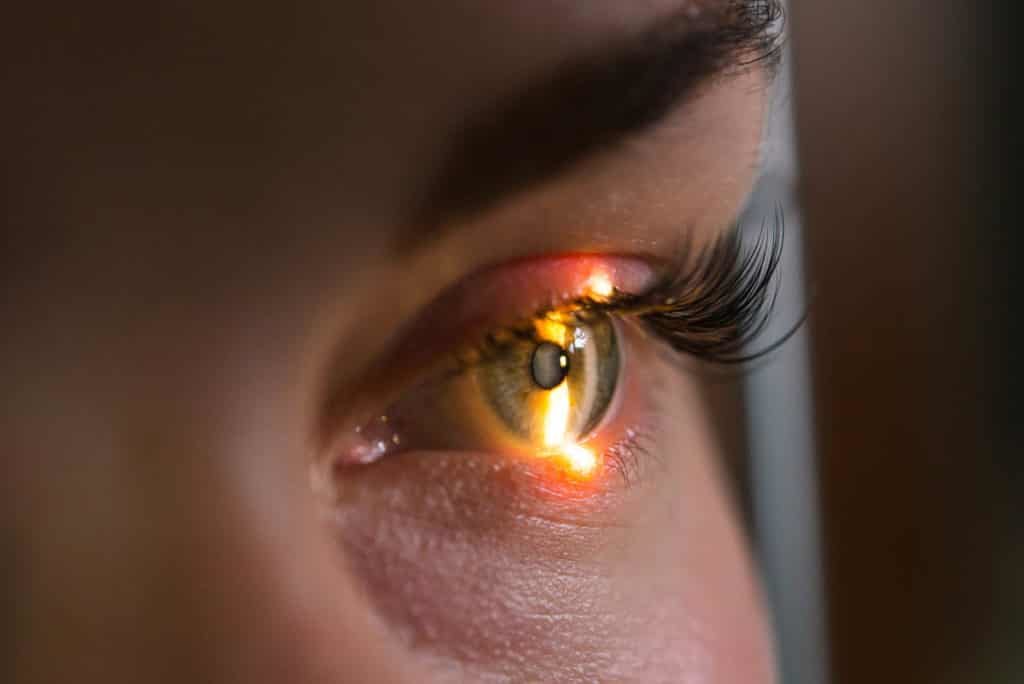
• Examination of the external eyes by biomicroscopy to examine the integrity of the eye lids, cornea and conjunctiva.
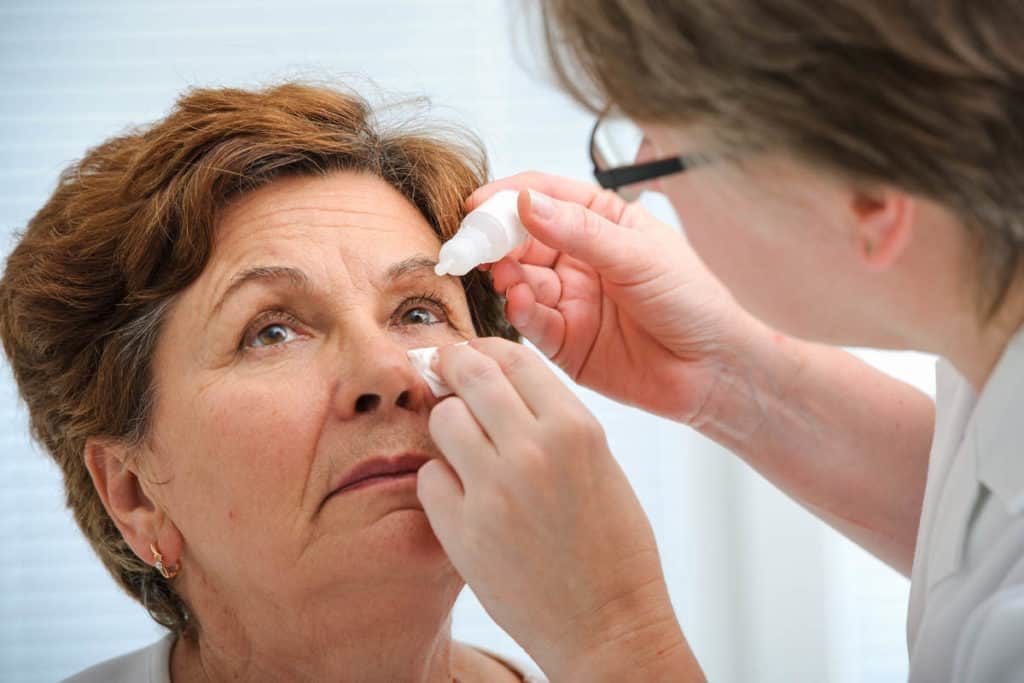
• Internal eye examination is carried out using binocular indirect slit lamp biomicroscopy to check the crystalline lens, the vitreous gel and retina. This examination is designed to assess and diagnose conditions such as cataract, posterior vitreous detachment and a wide range of retinal or optic nerve conditions including primary open angle glaucoma (POAG), retinal tears/detachments, optic nerve anomalies and macular disease such as macular holes and degeneration. Sometimes we will need to dilate your pupils using an eye drop to obtain an improved view. For all of these last conditions, diagnosis is carried out with the support of the results of other tests including visual fields and eye pressures.
Standard of vision and refraction
Your vision will be accurately assessed and any prescription necessary to give you the clearest vision possible will be recorded. Your optometrist will assess your vision for tasks further away, such as for driving and watching television, as well as your near vision, for tasks such as reading. Your prescription will be perfectly balanced between your two eyes to ensure optimum vision, as well as taking into account any specific work or hobbies that may require its modification.
Binocular vision
Your optometrist will assess your eye movements and binocular vision to ensure the two eyes are working together as well as possible. If there are any weaknesses or imbalance we can often treat them with eye orthoptics (evidence-based eye exercises) and /or specific prescription glasses incorporating optical/prismatic elements to perfectly integrate binocular vision.
Review of the findings and advice
At the end of the examination, your optometrists will discuss the results with you, offer advice on optimizing your vision if required with spectacles or contact lenses, explain any relevant eye health matters and answer any questions you may have.
Spectacles
Once your optometrist has obtained a precise and balanced spectacle prescription, it is important that this is translated into spectacles that are precisely made and dispensed. For optimum vision, aberration-free lenses such as Rodenstock Impression™ are often advised in single vision or multifocal forms. Our staff will measure the distance between your visual axes and eye position relative to the eyewear chosen, so that your spectacles can be made with the highest precision to ensure optimum visual comfort. Spectacle frames of all types and a range of qualities are available from economy styles to high quality plastics and stainless steel to alpha titanium.
Some of our new patients arrive with existing conditions and prescriptions that they know are complex. Others do not yet require any kind of eyewear. Our current patients range in age from a few weeks to their 90’s.
Whatever your situation may be, we know your eyes are as unique as your finger print. So, during an eye examination we're seeking to find appropriate and comfortable answers to your own eyes' special demands.
Our consulting rooms are superbly equipped, which enable us to determine precisely your eyes needs and monitor their condition over time.
The examination includes all the necessary tests to detect the presence of a wide range of eye conditions including, amongst the more common ones, cataract, macular degeneration, retinal detachment and glaucoma. Our examinations are also designed to detect signs of general conditions such as high blood pressure and diabetes.
Routine appointments for children are 30 minutes long. For children with learning difficulties, a 60-minute appointment may be booked, please ask for details.
Shore Sight Opticians
28 Caen Street
Braunton
Devon
EX33 1AA
info@shoresight.co.uk
You are viewing the text version of this site.
To view the full version please install the Adobe Flash Player and ensure your web browser has JavaScript enabled.
Need help? check the requirements page.